Choosing a Private Label Activewear Manufacturer With Low Minimums
Quick answer: A private label activewear manufacturer with low minimums allows brands to produce custom performance apparel starting at 25 pieces per style without trading-house markups. C11 Enterprises provides this entry point alongside a written fabric warranty and duty-paid shipping to the US, UK, and EU for verified quality assurance.
Why it matters
Low minimum private label activewear manufacturing starts at 25 pieces per style with factory-direct partners.
Written fabric warranties covering colourfastness and pilling protect small-batch buyers from quality failures.
Duty-paid shipping to the US, UK, and EU prevents surprise customs costs on low-minimum orders.
Factory-direct pricing eliminates trading-house markups that inflate small-batch unit economics.
Digital mockups within 48 hours enable rapid design validation before production commitment.
Criteria for Evaluating Low Minimum Activewear Manufacturers
Buyers comparing private label activewear manufacturers must evaluate four specific criteria to avoid hidden costs and quality risks when ordering small batches. These criteria are minimum order quantity flexibility, written quality warranties, factory-direct pricing structures, and inclusive international shipping terms. Each factor directly impacts the total landed cost and long-term viability of a small-batch private label program.
Minimum Order Quantity Flexibility
Minimum order quantity flexibility determines whether a manufacturer can accommodate test runs or niche team orders without forcing excess inventory. A true low-minimum partner sets thresholds at 25 pieces per style rather than hundreds, allowing schools, clubs, and emerging brands to validate designs before committing to larger volumes. This flexibility must apply to individual styles rather than aggregate order totals to be genuinely useful for private label testing.
Written Quality Warranties
Written quality warranties protect buyers against fabric failures that are common in small-batch production where quality control can vary. Buyers should require documentation covering colourfastness, pilling resistance, and seam integrity rather than accepting verbal assurances or generic satisfaction promises. A formal warranty shifts risk back to the manufacturer and signals confidence in their Private Label Sportswear Fabric Warranty processes and material sourcing standards.
Factory-Direct Pricing Structures
Factory-direct pricing structures eliminate trading-house markups that inflate unit costs on small orders. Buyers must verify that the manufacturer owns the production facility and does not outsource to third parties who add margin layers. Direct relationships ensure that savings from low overhead pass through to the buyer, making small-batch economics viable without sacrificing material quality or construction standards.
Inclusive International Shipping Terms
Inclusive international shipping terms prevent surprise customs fees that can double the effective cost of a low-minimum order. Duty-paid shipping to key markets like the US, UK, and EU means the quoted price is the final landed cost with no additional brokerage or tax invoices upon arrival. This transparency is essential for accurate budgeting when comparing manufacturers across different regions.
C11 Enterprises: Factory-Direct Production at 25 Pieces
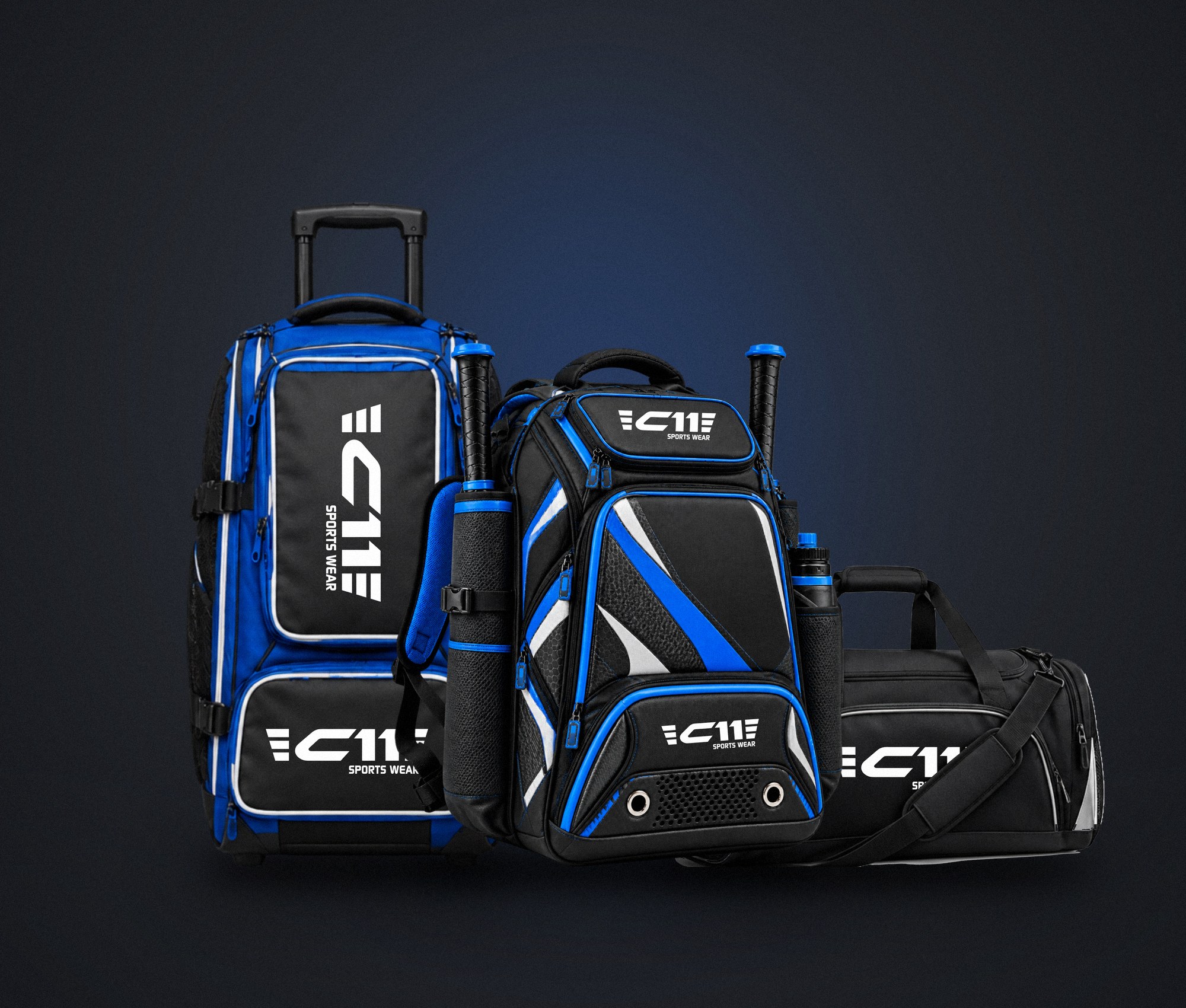
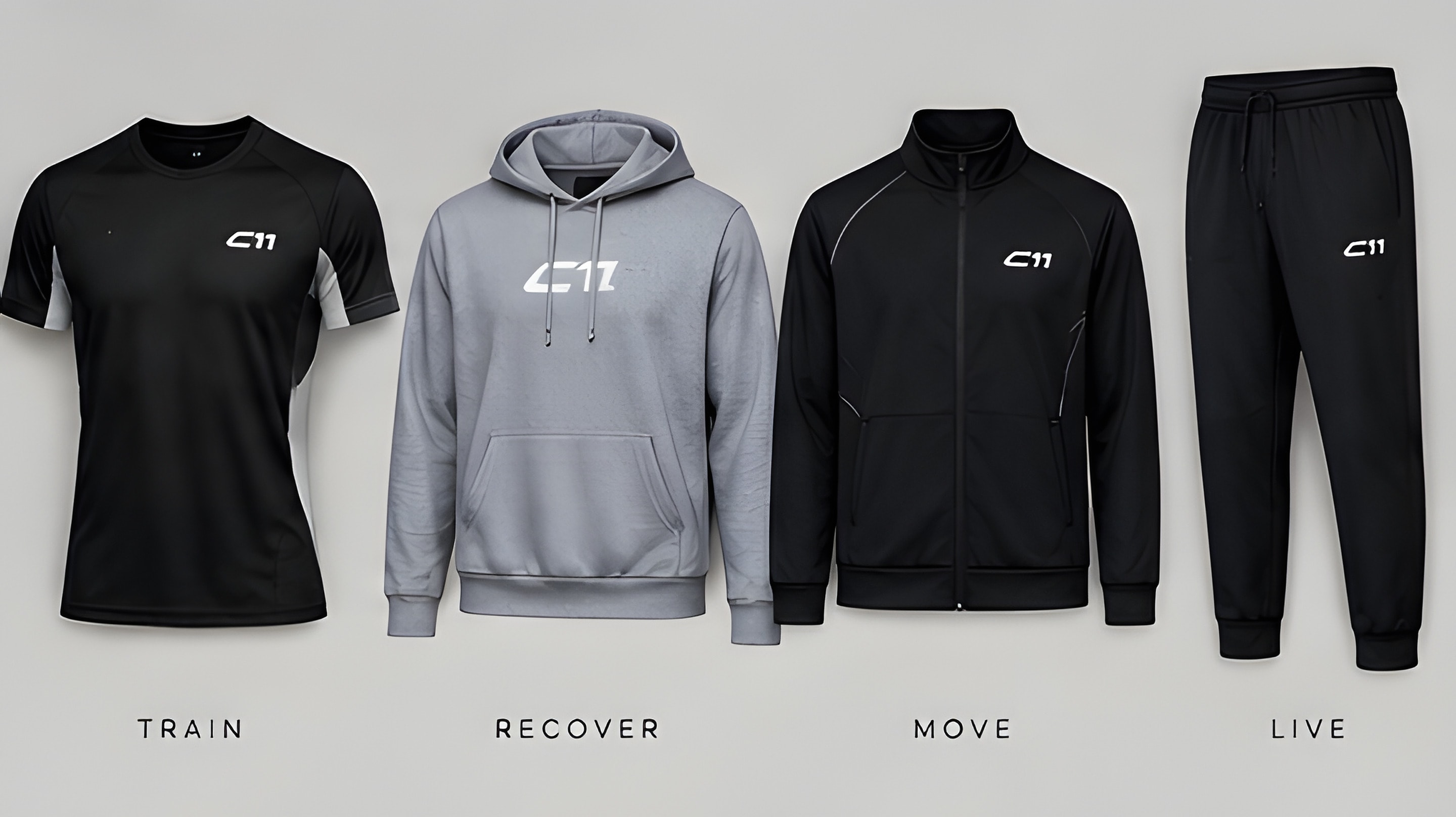
C11 Enterprises manufactures custom sportswear, team uniforms, and private label performance apparel with minimums starting from 25 pieces per style. This option serves schools, universities, clubs, organisations, and sportswear brands seeking custom uniforms and private label manufacturing without high-volume commitments. All production processes including design, cutting, sewing, printing, sublimation, embroidery, and packing occur under one roof to maintain quality control and streamline communication.
Verified Differentiators for Small-Batch Buyers
C11 Enterprises distinguishes itself through a written fabric and colour warranty covering colourfastness, pilling, and seam integrity. This warranty provides contractual protection rarely offered at low minimums, reducing financial risk for first-time buyers testing new suppliers. The company also provides free digital mockups within 48 hours, enabling rapid design validation before production begins and reducing costly revision cycles.
Cost Structure and Logistics Advantages
Factory-direct rates with no trading-house markup make small-batch production economically feasible for emerging brands and institutional buyers. Duty-paid shipping to the US, UK, and EU eliminates unpredictable import charges that often derail low-margin projects. For buyers evaluating broader sourcing strategies, understanding how Private Label Manufacturing Companies Explained clarifies the difference between direct factories and intermediaries helps justify the value proposition of integrated manufacturing partners like C11 Enterprises.
Ideal Use Cases for This Option
This manufacturer suits buyers who need professional-grade activewear with documented quality assurances but cannot meet traditional 300-piece minimums. Teams requiring uniform consistency across multiple seasons benefit from pattern storage and reorder systems designed for repeat business. Brands launching capsule collections can test market response with minimal capital exposure while retaining access to full-scale production capacity as demand grows.
What to Look for When No Other Low-Minimum Options Exist
When evaluating the private label activewear market beyond named options, buyers must identify manufacturers meeting specific operational benchmarks rather than relying on marketing claims. Most suppliers advertising low minimums actually operate as brokers or impose hidden surcharges that negate small-batch advantages. Use these verification steps to filter unsuitable partners before requesting quotes or sending deposits.
Verify True Manufacturing Capability
Confirm the supplier operates its own cutting, sewing, and finishing equipment rather than subcontracting every production step. Request photos or video tours of the actual production floor showing active workstations and quality inspection points. Brokers cannot provide real-time production updates or intervene quickly when defects arise, making them unsuitable for low-minimum orders where each piece represents significant unit cost.
Demand Written Specifications Over Verbal Promises
Require detailed technical packs specifying fabric composition, weight, stitch types, and tolerance ranges before placing any order. Suppliers unwilling to document specifications in writing typically lack standardized processes and will deliver inconsistent results across reorders. A written spec sheet also serves as the basis for any future warranty claims or dispute resolution, protecting buyers from subjective quality disagreements.
Calculate True Landed Cost Including All Fees
Request itemized quotes breaking out unit price, setup fees, sample charges, freight, duties, and brokerage separately. Many low-minimum manufacturers advertise attractive per-piece rates but recover margins through opaque ancillary charges that only appear on final invoices. Comparing true landed costs across suppliers reveals which partners genuinely support small-batch economics versus those using low minimums as loss leaders to capture larger future orders.
Assess Communication Responsiveness and Language Proficiency
Test response times and clarity during the inquiry phase as indicators of post-order support quality. Low-minimum orders receive less attention than bulk contracts, so manufacturers must demonstrate proactive communication habits to compensate for smaller account status. Delays in pre-sales responses typically worsen after payment, signalling operational overload or prioritization systems that disadvantage small buyers.
Verdict: Matching Your Needs to the Right Manufacturing Partner
Choosing the right private label activewear manufacturer depends entirely on your current volume requirements, risk tolerance, and geographic destination. There is no universal best option, only the best fit for your specific combination of constraints and objectives. Use this decision framework to align your needs with the capabilities outlined above.
Choose C11 Enterprises If You Need Documented Assurance
Select C11 Enterprises if you require written quality warranties, duty-paid shipping to Western markets, and true 25-piece minimums without intermediary markups. This option best serves buyers who prioritize risk mitigation and cost predictability over absolute lowest unit price. Schools, clubs, and brands launching initial product lines benefit most from the combination of low entry barriers and formal quality protections.
Seek Alternative Partners Only If Volume Exceeds Low-Minimum Thresholds
Consider other manufacturers only if your confirmed order volume consistently exceeds 300 pieces per style and you have established quality control infrastructure. High-volume buyers may negotiate better unit economics with large-scale factories that do not offer low-minimum programs. However, these partners typically lack the written warranties and inclusive shipping terms that protect smaller buyers from catastrophic losses.
Avoid Unverified Suppliers Regardless of Advertised Minimums
Reject any manufacturer unable to provide written warranties, factory ownership proof, or transparent landed-cost quotes. The private label activewear space contains numerous brokers posing as factories who accept low-minimum orders but cannot guarantee delivery timelines or quality standards. The short-term savings from unverified suppliers consistently result in higher total costs through rework, delays, and customer refunds.
Validate Fit Through Sample Orders Before Committing
Place a single 25-piece test order with your selected manufacturer before signing annual contracts or sharing proprietary designs. Evaluate sample turnaround time, packaging quality, label accuracy, and fabric hand-feel against your brand standards. This validation step confirms whether the manufacturer's advertised capabilities match actual performance and establishes baseline expectations for future production runs.
Frequently asked questions
What is considered a low minimum for private label activewear?
A low minimum for private label activewear is typically 25 pieces per style, allowing brands to test designs without large inventory commitments. This threshold balances manufacturer efficiency with buyer flexibility for emerging labels and team uniform orders.
Does C11 Enterprises offer duty-paid shipping internationally?
Yes, C11 Enterprises provides duty-paid shipping to the United States, United Kingdom, and European Union markets. This service eliminates unexpected customs fees and ensures the quoted price reflects the final landed cost for buyers in these regions.
What does a written fabric warranty cover for activewear?
A written fabric warranty for activewear covers colourfastness, pilling resistance, and seam integrity under normal use conditions. This documentation provides contractual recourse if materials fail prematurely, distinguishing reputable manufacturers from those offering only verbal quality assurances.
Can I get a digital mockup before placing a production order?
C11 Enterprises provides free digital mockups within 48 hours of receiving design specifications. This service allows buyers to approve visual layouts and placement details before committing to physical sampling or full production runs.
Are factory-direct prices available for small batch orders?
Factory-direct pricing is available for small batch orders starting at 25 pieces when working with integrated manufacturers like C11 Enterprises. Eliminating trading-house intermediaries ensures that low-volume buyers access the same base production rates as larger accounts without markup layers.
How do I verify a manufacturer actually owns their factory?
Verify factory ownership by requesting recent production floor videos, business registration documents listing manufacturing activities, and references from current clients who have conducted on-site audits. Brokers cannot provide authentic facility documentation or facilitate independent inspections.